Ecological Impact of Water Hyacinth (Eichhornia crassipes)
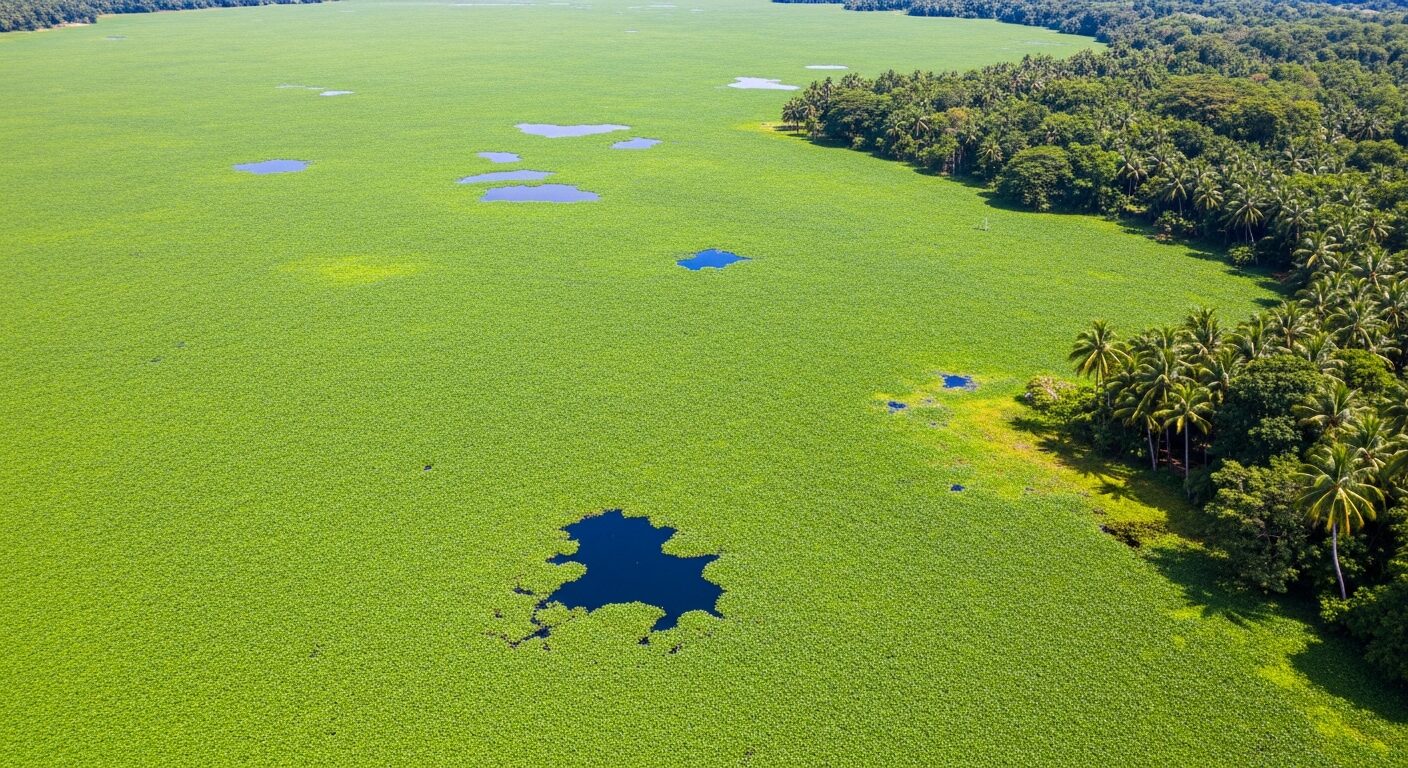
Figure 1. Large-scale surface infestation of water hyacinth demonstrating mat density and spatial dominance.
Abstract
The ecological consequences of water hyacinth (Eichhornia crassipes) infestations in freshwater ecosystems are extensive, multifaceted, and frequently irreversible without sustained intervention. As one of the most prolific invasive aquatic macrophytes globally, E. crassipes fundamentally alters the physical, chemical, and biological properties of colonized water bodies. Dense floating mats reduce light penetration, deplete dissolved oxygen, suppress native vegetation, disrupt food web dynamics, accelerate sedimentation, and transform wetland habitats 1. This article provides a comprehensive examination of the ecological impacts associated with water hyacinth invasion, drawing upon field observations and case studies from affected regions across Africa, North America, and Southeast Asia. The evidence presented herein underscores the critical need for integrated management approaches to mitigate the profound and cascading ecological damage caused by this species. For a general overview of the biology and characteristics of the species, see What Is Water Hyacinth?.
Impacts on Aquatic Biodiversity
Native Plant Displacement
The formation of dense, interlocking floating mats by E. crassipes constitutes a primary mechanism of biodiversity loss in invaded freshwater systems. Water hyacinth mats exert intense competitive pressure on native floating macrophytes, including species of Salvinia, Pistia, Lemna, and Azolla, by monopolizing surface area and intercepting incident solar radiation. Submerged aquatic vegetation, which depends on light transmission through the water column for photosynthesis, is progressively eliminated as mat density increases. The loss of structurally diverse native plant assemblages reduces the heterogeneity of microhabitats available to aquatic invertebrates, fish, and amphibians.
In tropical and subtropical systems, the displacement of native macrophyte communities by water hyacinth has been associated with the decline of endemic plant species that occupy narrow ecological niches within littoral zones. The competitive exclusion of these species represents a significant and often underappreciated component of the overall biodiversity impact.
Faunal Community Impacts
The effects of water hyacinth invasion on aquatic fauna are complex and context-dependent. While the extensive root systems of water hyacinth provide temporary shelter for certain macroinvertebrate taxa and juvenile fish, the overwhelming trajectory of faunal community change under dense infestations is negative. Reductions in dissolved oxygen concentrations beneath mats lead to the mortality or emigration of oxygen-sensitive fish species, including many commercially and ecologically important taxa 2, 3. Benthic invertebrate communities are impoverished as anoxic conditions develop in the sediment-water interface.
Avian communities are also affected, as dense water hyacinth mats reduce the availability of open water habitat for wading birds, diving waterbirds, and species that forage on submerged vegetation. Conversely, some generalist species may temporarily benefit from the novel structural habitat provided by water hyacinth mats, though such gains are typically transient and do not compensate for broader community-level losses.
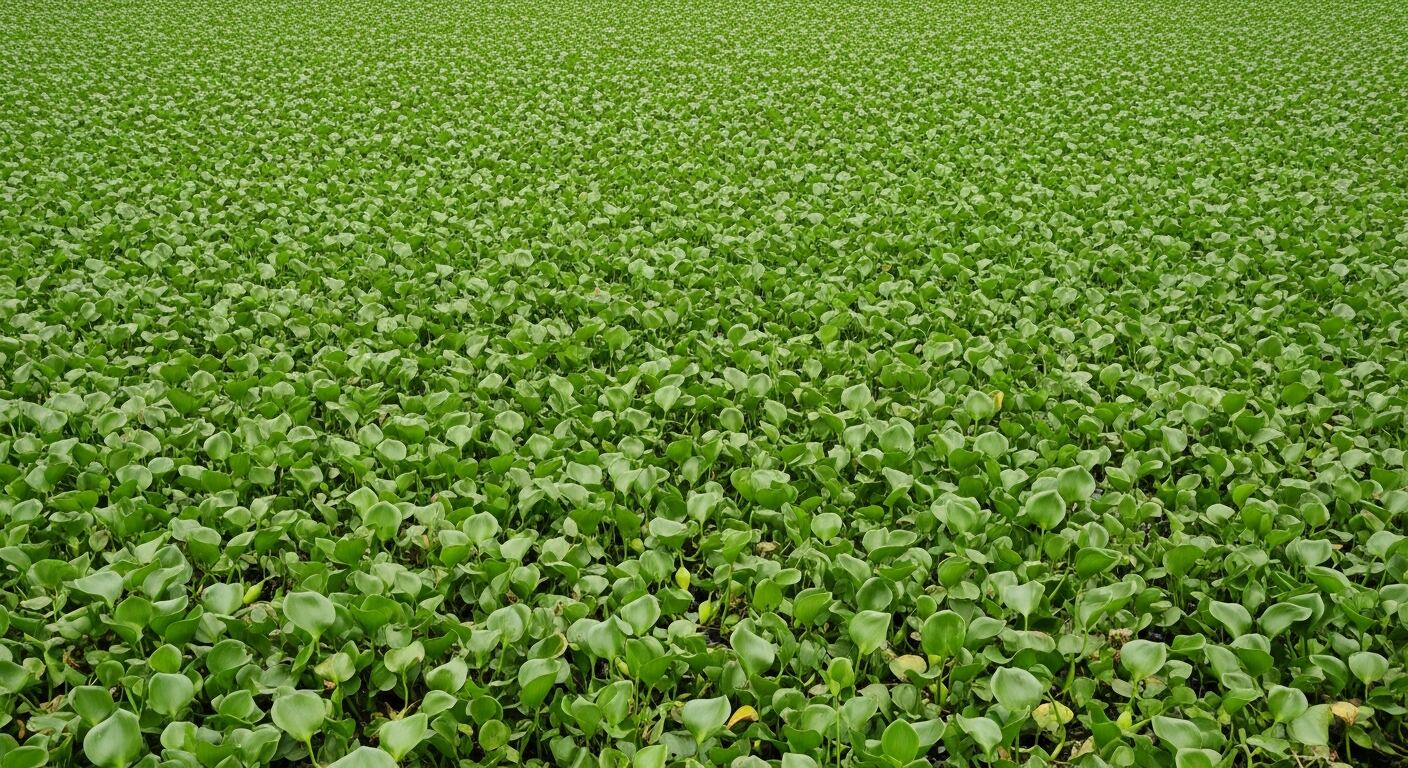
Figure 2. Dense floating mat suppressing native macrophytes and reducing habitat heterogeneity.
Dissolved Oxygen and Hypoxia Effects
Mechanisms of Oxygen Depletion
The depletion of dissolved oxygen beneath water hyacinth mats is among the most ecologically significant consequences of invasion. Three interconnected mechanisms drive this process. First, the dense canopy of floating leaves dramatically reduces atmospheric gas exchange at the water surface, limiting the diffusion of atmospheric oxygen into the water column. Second, the suppression of submerged photosynthetic organisms — both macrophytes and phytoplankton — eliminates the primary biological source of dissolved oxygen in the aquatic environment. Third, the continuous senescence and decomposition of water hyacinth biomass at the base of the mat generates substantial biological oxygen demand, further depleting the limited oxygen supply.
Consequences for Aquatic Organisms
The resulting hypoxic and anoxic conditions are lethal to aerobic organisms that lack the physiological capacity for oxygen-independent metabolism 4. Fish kills beneath extensive water hyacinth mats have been documented in numerous freshwater systems across the tropics, with species richness and abundance declining precipitously as dissolved oxygen concentrations fall below critical thresholds of 2 to 3 milligrams per liter. Benthic communities dominated by oxygen-sensitive taxa such as mayflies (Ephemeroptera), stoneflies (Plecoptera), and caddisflies (Trichoptera) are replaced by assemblages of pollution-tolerant organisms, including chironomid larvae and oligochaete worms. This biotic homogenization represents a fundamental degradation of ecosystem integrity and functional diversity.
The spatial extent and temporal persistence of hypoxic zones beneath water hyacinth mats are influenced by mat density, water temperature, nutrient loading, and hydrological conditions. In stagnant or slow-flowing water bodies with high nutrient inputs, hypoxic conditions may persist throughout the year, creating effectively uninhabitable zones for the majority of native aquatic fauna.
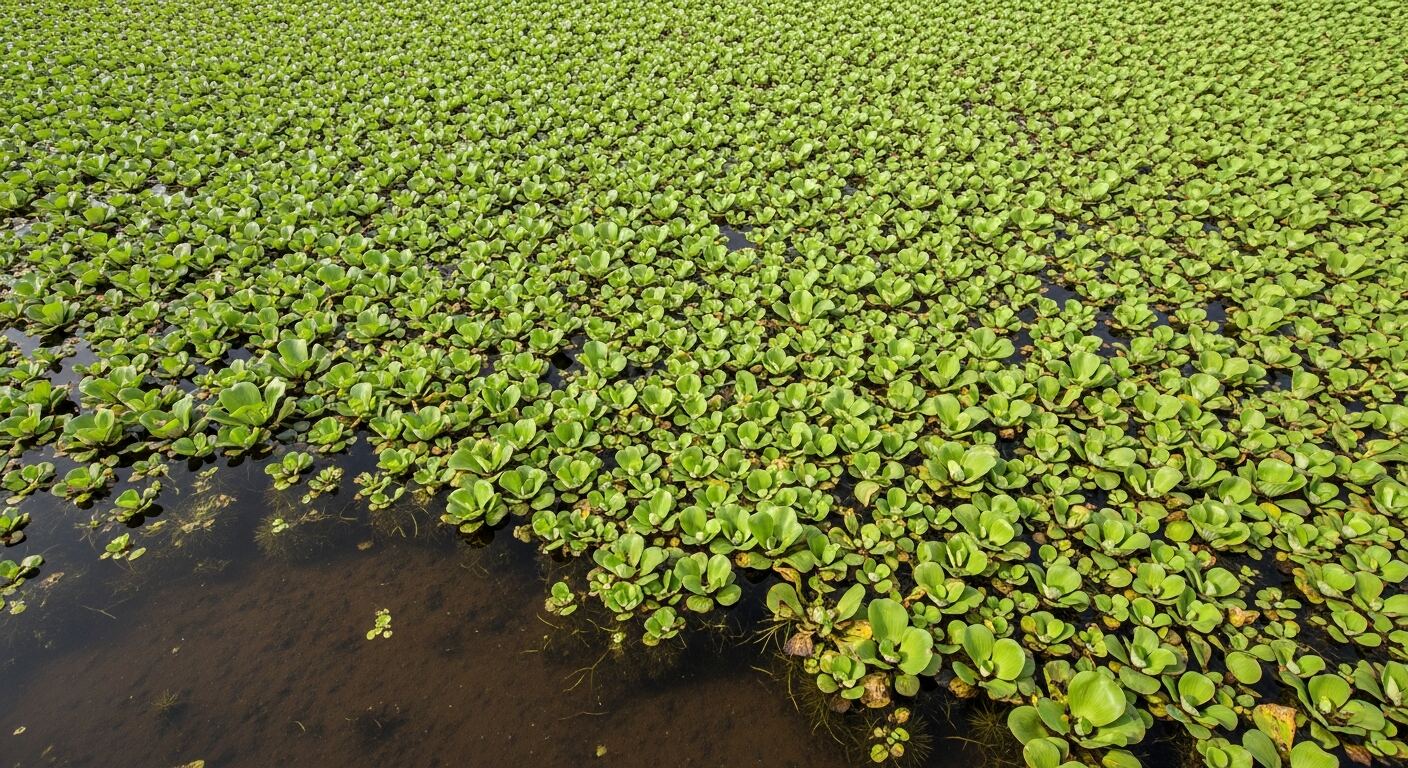
Figure 3. Hypoxic conditions beneath water hyacinth mats resulting in fish mortality.
Light Penetration and Primary Productivity
Shading Effects
Water hyacinth mats intercept up to 95 percent of incident photosynthetically active radiation, reducing light levels beneath the canopy to values insufficient for the growth of submerged macrophytes and benthic algae. This extreme shading effect is a consequence of the dense leaf rosettes, multiple canopy layers, and high leaf area index characteristic of established water hyacinth populations. The reduction in underwater light availability cascades through the entire primary producer community, diminishing the photosynthetic capacity of the system and reducing overall autotrophic production in the water column.
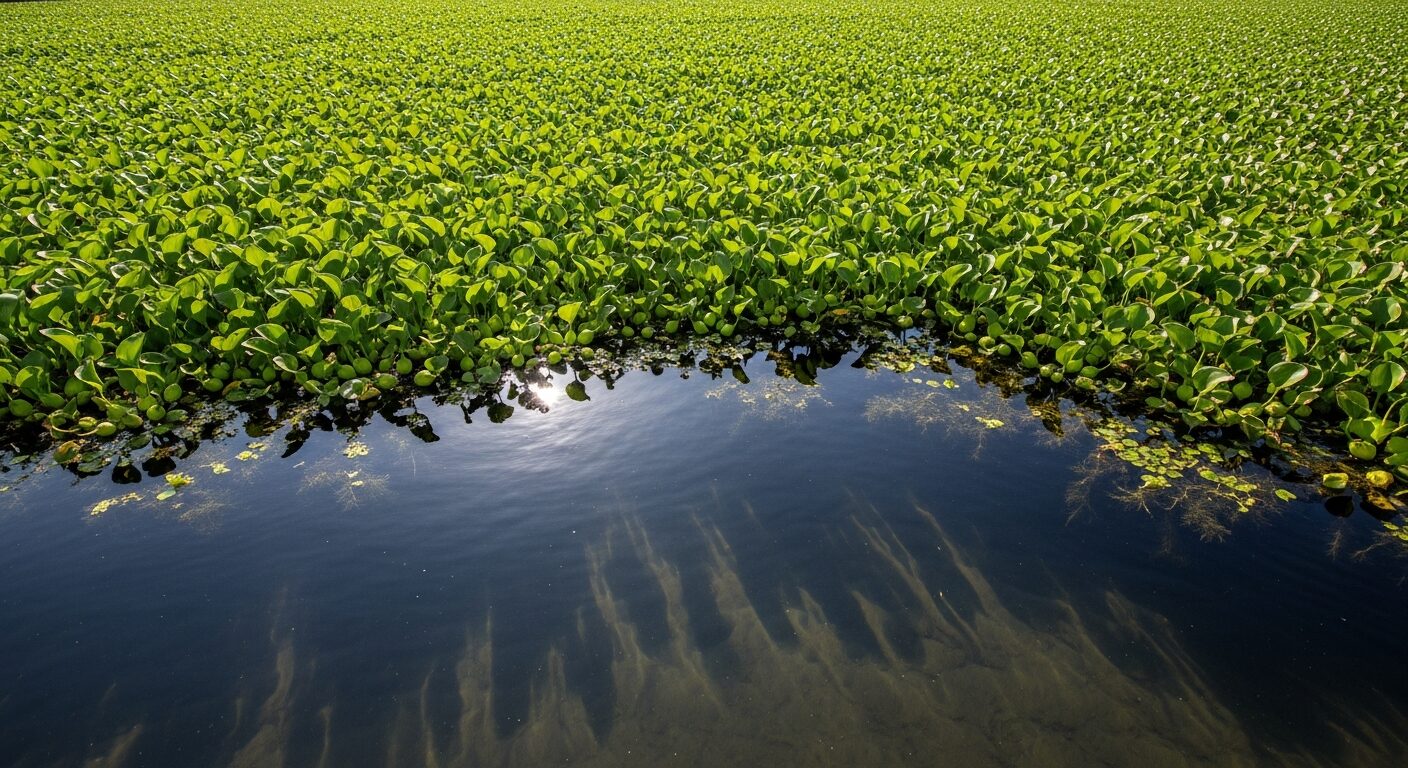
Figure 4. Surface canopy intercepting photosynthetically active radiation and reducing underwater light availability.
Shifts in Primary Producer Communities
The suppression of phytoplankton and periphyton communities beneath water hyacinth mats alters the base of the aquatic food web. Phytoplankton biomass and species diversity decline sharply under dense canopy cover, with diatom and green algae communities being replaced by shade-tolerant cyanobacteria in partially shaded peripheral zones. The loss of periphyton from submerged substrates eliminates an important food resource for grazing invertebrates, contributing to the impoverishment of secondary consumer communities.
Alteration of Food Web Dynamics
Bottom-Up Effects
The restructuring of primary producer communities by water hyacinth invasion propagates through the food web via bottom-up pathways. The decline in phytoplankton and submerged vegetation reduces the availability of high-quality food resources for herbivorous zooplankton, grazing invertebrates, and herbivorous fish. These trophic disruptions diminish energy transfer efficiency between trophic levels, reducing the carrying capacity of the system for higher-order consumers including piscivorous fish and fish-eating birds.
Detrital Pathway Dominance
As autotrophic production declines beneath water hyacinth mats, the aquatic food web shifts toward detrital-based energy pathways. The decomposition of water hyacinth biomass generates large quantities of particulate and dissolved organic matter, supporting communities of decomposer organisms including bacteria, fungi, and detritivorous invertebrates. While the detrital pathway sustains certain faunal groups, it represents a fundamentally different energetic structure from the algae-based food webs characteristic of healthy freshwater ecosystems. The shift toward detrital dominance is typically associated with reduced species diversity, simplified trophic structure, and diminished ecosystem resilience. For a detailed discussion of the reproductive mechanisms that drive rapid population growth, see Reproduction and Spread.
Hydrological and Sedimentation Impacts
Water Flow Impedance
Dense water hyacinth infestations significantly impede the flow of water in riverine and canal systems. The hydraulic roughness created by extensive root masses and interlocking plant bodies reduces water velocity, increases upstream water levels, and elevates flood risk during periods of high precipitation. In irrigation networks, the blockage of canals and water intake structures by floating vegetation disrupts water delivery to agricultural lands, with cascading consequences for food production and rural livelihoods.
Evapotranspiration and Water Loss
Water hyacinth mats increase evapotranspiration rates from colonized water bodies by factors of 1.5 to 3.2 compared to open water surfaces. The high transpiration rate of the species, driven by its large leaf area and rapid metabolic activity, accelerates water loss from lakes and reservoirs. In water-scarce regions, this additional evaporative demand reduces the availability of freshwater resources for human consumption, agriculture, and ecological maintenance flows.
Accelerated Sedimentation
The dense root system of water hyacinth acts as a physical filter, trapping suspended sediments and particulate organic matter from the water column. Over time, this process accelerates the infilling of shallow water bodies, reducing their depth and volume. The accumulated organic-rich sediments create substrate conditions that may facilitate the establishment of emergent wetland vegetation, contributing to the terrestrialization of formerly aquatic habitats.
Wetland Transformation and Habitat Loss
Successional Changes
Prolonged water hyacinth infestations can initiate successional changes that fundamentally transform the character of freshwater wetlands. The accumulation of decomposing plant material creates floating organic mats that gradually consolidate and become colonized by emergent and terrestrial plant species. This process of ecological succession converts open water and floating-leaved macrophyte communities into semi-terrestrial vegetation, altering hydrological connectivity and eliminating the aquatic habitats upon which many wetland-dependent species rely.
Loss of Ecosystem Services
The transformation of open water habitats by water hyacinth invasion diminishes the ecosystem services provided by freshwater wetlands, including water purification, flood attenuation, carbon sequestration, and the provision of fisheries resources. The economic value of these lost services is substantial, though difficult to quantify precisely due to the complexity of wetland ecosystem functions and the variability of local ecological and socioeconomic contexts.
Case Studies
Lake Victoria, East Africa
The water hyacinth infestation of Lake Victoria, which peaked in the late 1990s, represents one of the most extensively documented cases of aquatic plant invasion in the world. At its maximum extent, water hyacinth covered an estimated 17,000 hectares of the lake surface, with particularly dense infestations in the Winam Gulf (Kenya), Mwanza Gulf (Tanzania), and along the Ugandan shoreline and adjacent riparian zones. The ecological consequences were severe: dissolved oxygen levels beneath mats fell to near zero, native submerged vegetation was eliminated from littoral zones, fish populations declined dramatically, and the livelihoods of millions of lakeshore communities were disrupted. A combination of biological control using Neochetina weevils, mechanical harvesting, and reduced nutrient loading eventually brought the infestation under partial control, though the species persists at lower densities and resurgence remains an ongoing concern.
Florida Waterways, United States
Water hyacinth has been a persistent management challenge in Florida's freshwater systems since its introduction in the 1880s. The species has colonized major waterways including the St. Johns River, Lake Okeechobee, and numerous canals and drainage systems throughout the state. Ecological impacts have included the displacement of native floating and submerged vegetation, the degradation of fish habitat, and the obstruction of recreational and commercial navigation. The Florida Fish and Wildlife Conservation Commission maintains an ongoing management program combining herbicidal control, biological control agents, and mechanical harvesting to maintain water hyacinth populations at tolerable levels.
Mekong Basin, Southeast Asia
In the Mekong River Basin, water hyacinth infestations affect tributaries and floodplain lakes across Cambodia, Laos, Thailand, and Vietnam. The species thrives in the nutrient-enriched waters of the lower Mekong, where agricultural runoff and municipal wastewater discharge provide ideal growth conditions. Ecological impacts include the displacement of native floating vegetation, the reduction of fish spawning and nursery habitat in floodplain lakes, and the alteration of nutrient cycling patterns in seasonally inundated wetlands. Management efforts in the region are complicated by the transboundary nature of the river system and the limited institutional capacity for coordinated control programs.
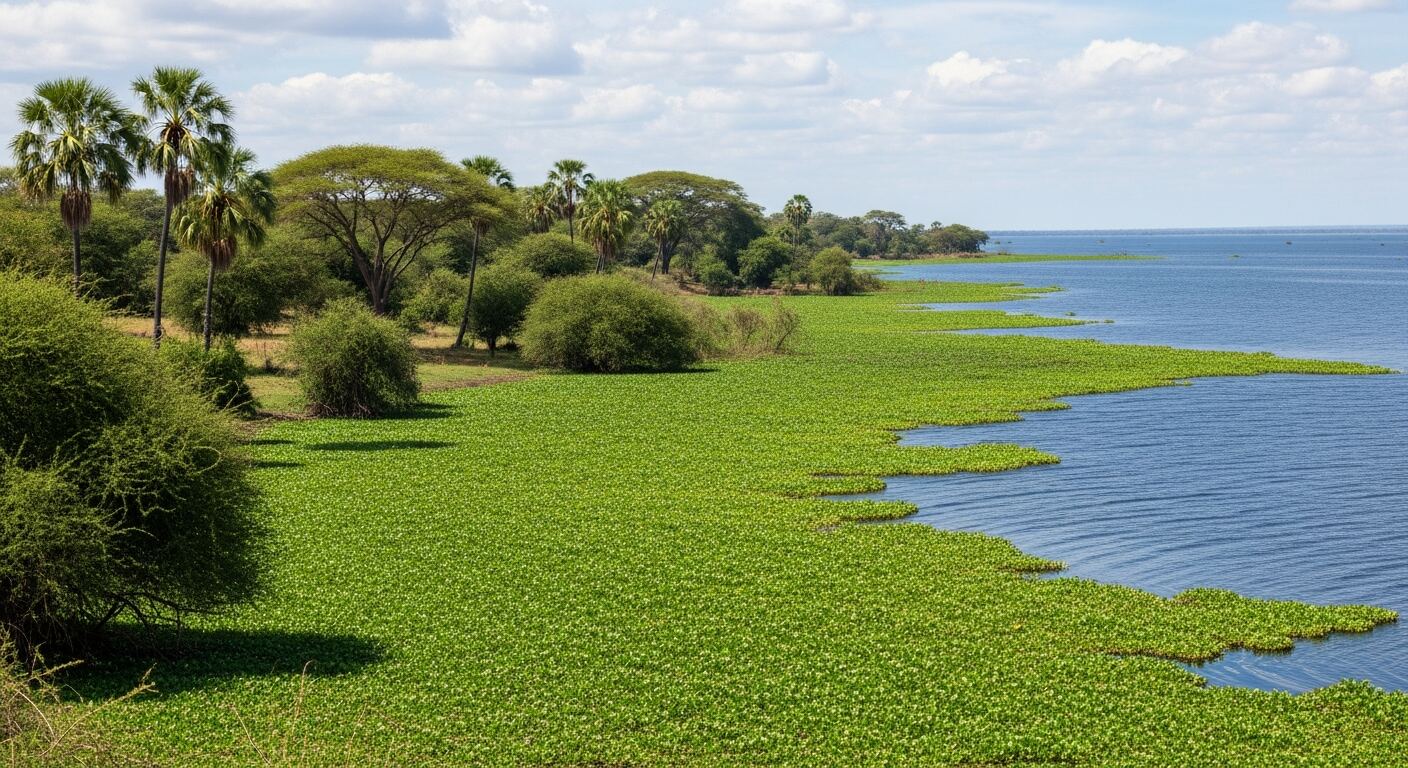
Figure 5. Lake Victoria infestation illustrating large-scale ecological disruption.
Long-Term Ecosystem Shifts
Regime Shifts and Alternative Stable States
Severe and sustained water hyacinth infestations may drive freshwater ecosystems across critical ecological thresholds, resulting in regime shifts to alternative stable states. In eutrophic shallow lakes, the transition from a clear-water, macrophyte-dominated state to a turbid, phytoplankton-dominated state may be accelerated by the nutrient release associated with water hyacinth decomposition. Once established, these alternative states may be resistant to reversal even after the removal of water hyacinth, due to positive feedback mechanisms involving sediment nutrient release, algal shading, and the loss of stabilizing macrophyte communities.
Legacy Effects
The ecological legacy of water hyacinth invasion persists long after the standing biomass has been removed. Seed banks remain viable in sediments for up to two decades, providing a reservoir for population recovery. Altered sediment chemistry, modified nutrient cycling pathways, and the loss of native species propagules can impede the restoration of pre-invasion ecological conditions. Effective ecological rehabilitation requires not only the control of water hyacinth populations but also the active restoration of native plant communities, water quality improvement, and long-term monitoring to detect and respond to reinvasion. For a comprehensive overview of control strategies, see Biological Control and Mechanical Control.
Management Implications
The ecological impacts described in this article underscore the necessity of proactive, sustained, and adaptive management approaches to water hyacinth invasion. Early detection and rapid response are critical for preventing the establishment of large-scale infestations that may trigger irreversible ecosystem changes. Integrated management strategies that combine biological, mechanical, and chemical control methods offer the greatest prospect for maintaining water hyacinth populations at ecologically tolerable levels. Equally important is the reduction of anthropogenic nutrient loading to freshwater systems, as eutrophication is a primary driver of water hyacinth proliferation. Management programs must be supported by robust monitoring frameworks, sustained funding, institutional coordination, and stakeholder engagement to achieve lasting ecological outcomes.
Conclusion
The ecological impact of Eichhornia crassipes on invaded freshwater ecosystems is profound, pervasive, and multidimensional. From the displacement of native biodiversity and the depletion of dissolved oxygen to the disruption of food web dynamics and the transformation of wetland habitats, water hyacinth invasion fundamentally alters the structure and function of affected aquatic systems. The case studies of Lake Victoria, Florida, and the Mekong Basin illustrate both the severity of these impacts and the complexity of effective management responses. Addressing the ecological challenges posed by water hyacinth demands a sustained commitment to scientific research, evidence-based management, and international cooperation in the protection of the world's freshwater resources.
References
- Villamagna, A. M., & Murphy, B. R. (2010). Ecological and socio-economic impacts of invasive water hyacinth (Eichhornia crassipes): A review. Freshwater Biology, 55(2), 282–298.
- Masifwa, W. F., Twongo, T., & Denny, P. (2001). The Impact of Water Hyacinth, Eichhornia crassipes (Mart.) Solms, on the Abundance and Diversity of Aquatic Macroinvertebrates Along the Shores of Northern Lake Victoria, Uganda. Hydrobiologia, 452, 79–88.
- Toft, J. D., Simenstad, C. A., Cordell, J. R., & Grimaldo, L. F. (2003). The Effects of Introduced Water Hyacinth on Habitat Structure, Invertebrate Assemblages, and Fish Diets. Estuaries, 26(3), 746–758.
- Ultsch, G. R. (1973). The Effects of Water Hyacinth (Eichhornia crassipes) on the Microenvironment of Aquatic Communities. Archiv für Hydrobiologie, 72(4), 460–473.
Related Research
Weevils and other biocontrol agents, mechanisms, success factors, limitations.
Plant anatomy, buoyancy adaptations, roots, flowers, and physiology of water hyacinth.
Aquatic herbicide concepts, timing, selectivity, safety, and integrated planning.