Global Distribution of Water Hyacinth
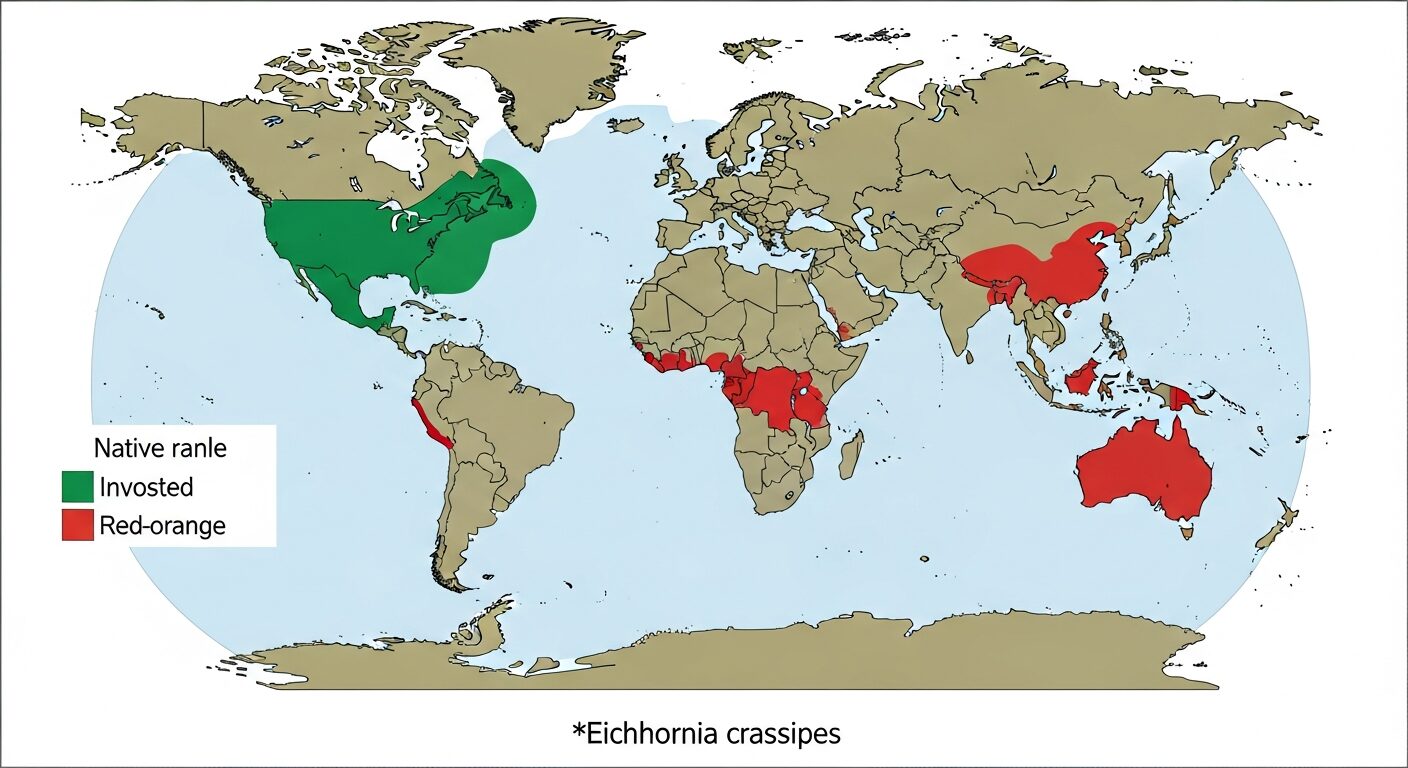
Figure 1. Global distribution of water hyacinth including native South American range and major invasive regions.
Key Takeaways
- Eichhornia crassipes is native to the Amazon Basin in South America, where natural enemies regulate its population density.
- The species has been introduced to every inhabited continent, primarily through the ornamental horticultural trade.
- Major infestations are documented in sub-Saharan Africa (Lake Victoria, Lake Malawi, Congo Basin), Southeast Asia (Mekong, Ganges-Brahmaputra), and North America (Florida, Louisiana, Texas).
- Climatic suitability, nutrient enrichment, and the absence of natural enemies in introduced ranges drive invasion success.
- Climate change may expand the potential range of water hyacinth into higher latitudes as frost-free seasons lengthen.
- International cooperation and coordinated management are essential for controlling transboundary infestations.
Introduction
The global distribution of Eichhornia crassipes reflects one of the most successful plant invasions in recorded ecological history. From its native range in the Amazon Basin, the species has been transported to freshwater ecosystems across Africa, Asia, North America, Australasia, and southern Europe, establishing persistent populations that impose severe ecological, economic, and public health burdens on affected regions. This article traces the history and drivers of water hyacinth's global expansion, examines the environmental factors that determine its geographic range, and presents case studies from major infestations worldwide. For background on the species, see What Is Water Hyacinth?.
Native Range
Amazon Basin Origins
Eichhornia crassipes is indigenous to the lowland freshwater habitats of the Amazon Basin, encompassing portions of Brazil, Colombia, Venezuela, Ecuador, Peru, and Bolivia. In this native range, the species occupies slow-moving rivers, floodplain lakes (varzea), ox-bow lakes, and seasonally inundated wetlands. Water hyacinth populations in the Amazon Basin are regulated by a diverse assemblage of natural enemies, including herbivorous weevils (Neochetina spp.), moths (Niphograpta albiguttalis), mites, and fungal pathogens that collectively suppress vegetative growth and reproductive output.
The ecological equilibrium maintained by co-evolved natural enemies in the native range prevents the explosive population growth and environmental dominance that characterize water hyacinth invasions in introduced ranges. This contrast between native and invasive population dynamics illustrates the fundamental role of natural enemy regulation in constraining the abundance of potential invasive species.
Broader South American Distribution
Beyond the Amazon Basin, E. crassipes occurs naturally throughout tropical and subtropical South America, including the Parana River system, the Pantanal wetlands of Brazil, and various coastal and inland waterways. In these habitats, the species coexists with diverse macrophyte communities and is maintained at moderate population densities by a combination of herbivory, competition, and environmental constraints.
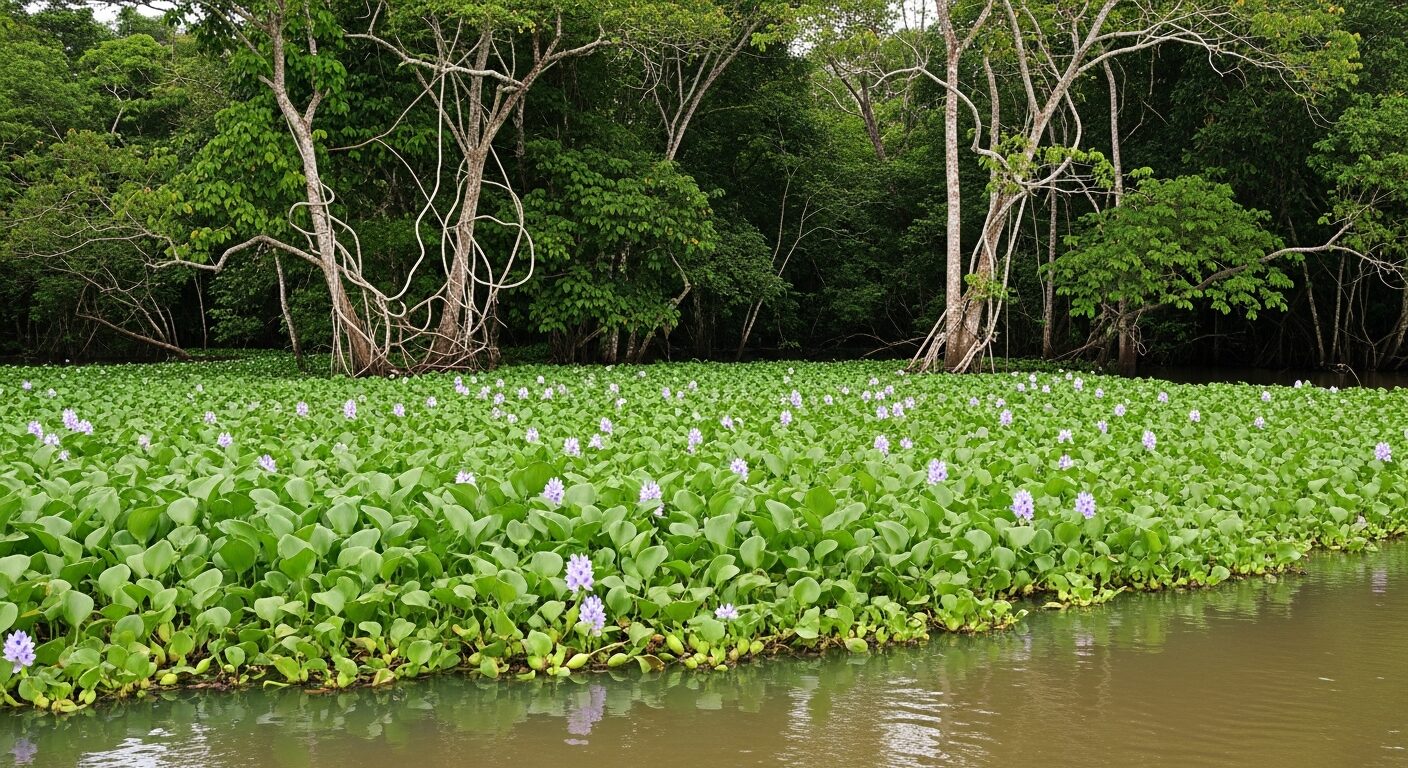
Figure 2. Water hyacinth in native Amazon Basin floodplain habitat.
History of Global Introduction
Ornamental Origins
The global dispersal of water hyacinth is primarily attributable to the ornamental horticultural trade. The species was first introduced to North America at the 1884 World's Industrial and Cotton Centennial Exposition in New Orleans, Louisiana, where its striking lavender flowers attracted the admiration of visitors, who received plants as souvenirs. From this single introduction event, water hyacinth rapidly escaped cultivation and colonized waterways throughout the southeastern United States.
Similar introductions occurred across Africa, Asia, and Australasia during the late nineteenth and early twentieth centuries. Colonial botanical gardens, horticultural enthusiasts, and commercial aquatic plant dealers transported water hyacinth specimens across continental boundaries, often with no awareness of the species' invasive potential. By the mid-twentieth century, E. crassipes had established invasive populations on every inhabited continent.
Pathways of Secondary Spread
Following initial establishment in a new region, water hyacinth spread is facilitated by natural dispersal through hydrological networks and by anthropogenic vectors including boat traffic, fishing gear, irrigation infrastructure, and aquaculture operations. The species' capacity for rapid vegetative reproduction means that even small fragments inadvertently transported between water bodies can establish new populations within weeks to months.
Current Global Distribution
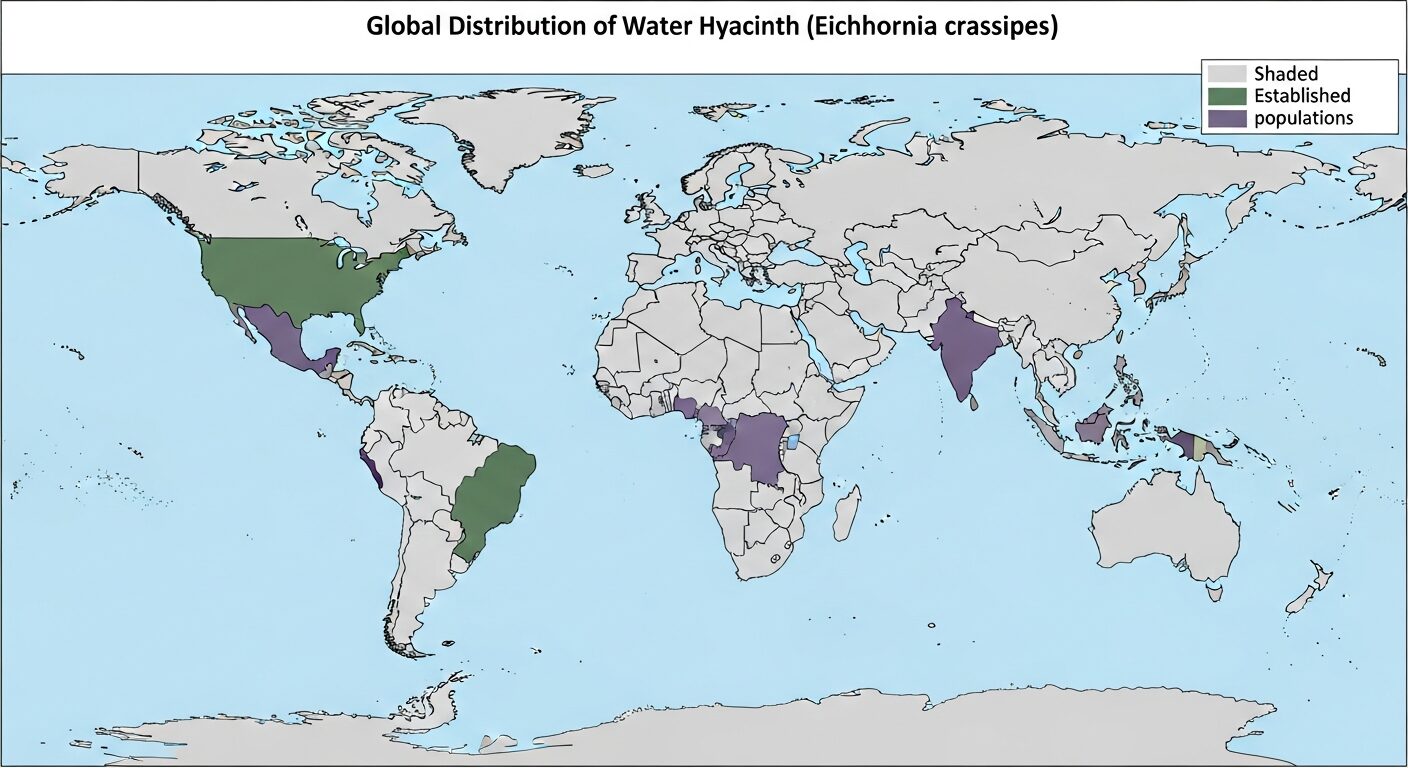
Figure 3. Approximate global invasive distribution of Eichhornia crassipes.
Africa
Sub-Saharan Africa harbors some of the world's most severe water hyacinth infestations. The species was first reported in Africa in the early twentieth century and has since colonized major water bodies across the continent.
Lake Victoria, shared by Kenya, Tanzania, and Uganda, experienced catastrophic water hyacinth infestations in the 1990s, with mat coverage reaching an estimated 17,000 hectares at peak. The infestation devastated fisheries, disrupted water transport, impaired hydroelectric power generation, and created breeding habitat for disease vectors. A combination of biological control (Neochetina weevils) and mechanical harvesting eventually reduced coverage to manageable levels, though the species persists and periodic resurgences occur.
Other severely affected water bodies in Africa include Lake Malawi, Lake Chivero (Zimbabwe), the Kafue Flats (Zambia), the White Nile (Sudan), and the Congo River system. In West Africa, major infestations have been documented in the Niger River Delta, Lake Volta (Ghana), and the Senegal River.
Asia
Water hyacinth is widespread across tropical and subtropical Asia. Major infestations occur in the Mekong River Basin (Cambodia, Laos, Thailand, Vietnam), the Ganges-Brahmaputra Delta (Bangladesh, India), the Yangtze River system (China), and numerous smaller water bodies throughout Southeast Asia.
In Bangladesh, water hyacinth covers hundreds of thousands of hectares of floodplain and canal systems, impeding navigation, irrigation, and fisheries. In China, the species has invaded lakes and rivers in the Yangtze Basin, including major water bodies such as Dianchi Lake in Yunnan Province, where it contributes to severe eutrophication problems.
North America
In the United States, water hyacinth remains a persistent management challenge in the Gulf Coast states, particularly Florida, Louisiana, and Texas. The species colonizes rivers, lakes, canals, and drainage systems throughout the region, requiring ongoing management expenditures to maintain navigability and ecological function. In California, water hyacinth infestations in the Sacramento-San Joaquin Delta threaten agricultural water supplies and native aquatic habitats.
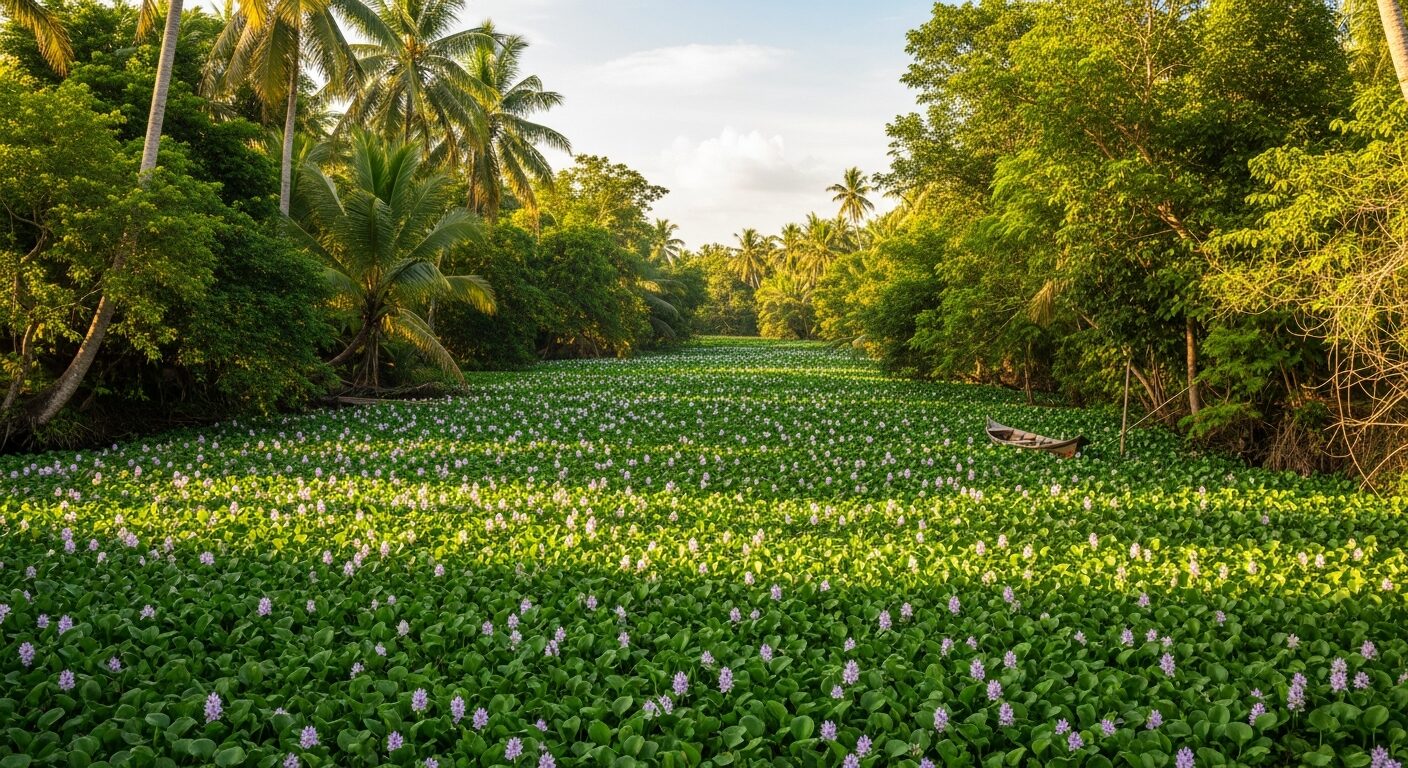
Figure 4. Severe infestation in tropical Asia demonstrating dense floating mat formation.
Australasia and Pacific
In Australia, water hyacinth is classified as a Weed of National Significance and is subject to active management programs in Queensland and New South Wales. The species also occurs in Papua New Guinea and several Pacific island nations, where it threatens limited freshwater resources.
Europe and Mediterranean
Water hyacinth has been recorded in southern Europe, including Spain and Portugal, where warm summer temperatures permit seasonal growth. Climate change may facilitate the northward expansion of the species' range as frost-free seasons lengthen in temperate regions.
Environmental Determinants of Distribution
Temperature
Temperature is the primary climatic factor limiting the global distribution of E. crassipes. The species requires mean annual temperatures above approximately 15 degrees Celsius for population persistence and grows most vigorously at 25 to 30 degrees Celsius. Frost sensitivity restricts the species to tropical, subtropical, and warm-temperate regions, though transient populations may establish in temperate zones during warm summers.
Nutrient Availability
Nutrient enrichment from agricultural runoff, sewage discharge, and industrial effluent is a critical enabling factor for water hyacinth establishment and proliferation. The species' growth rate responds strongly to dissolved nitrogen and phosphorus concentrations, and the most severe infestations globally are associated with eutrophic water bodies.
Hydrological Conditions
Slow-moving or stagnant water bodies provide the most favorable hydrological conditions for water hyacinth establishment. The species is poorly adapted to fast-flowing rivers, where current velocities exceed the capacity of floating mats to maintain cohesion. Impoundments, reservoirs, irrigation canals, and floodplain lakes are particularly susceptible to colonization.
Climate Change Implications
Climate change is projected to expand the potential geographic range of E. crassipes by increasing temperatures in currently marginal regions, lengthening frost-free seasons, and altering precipitation patterns. Warmer winters may allow the species to persist year-round in subtropical regions where it currently experiences seasonal die-back. Increased frequency and intensity of flooding events may facilitate dispersal between previously isolated water bodies. For detailed discussion of the ecological consequences of invasion, see Ecological Impact.
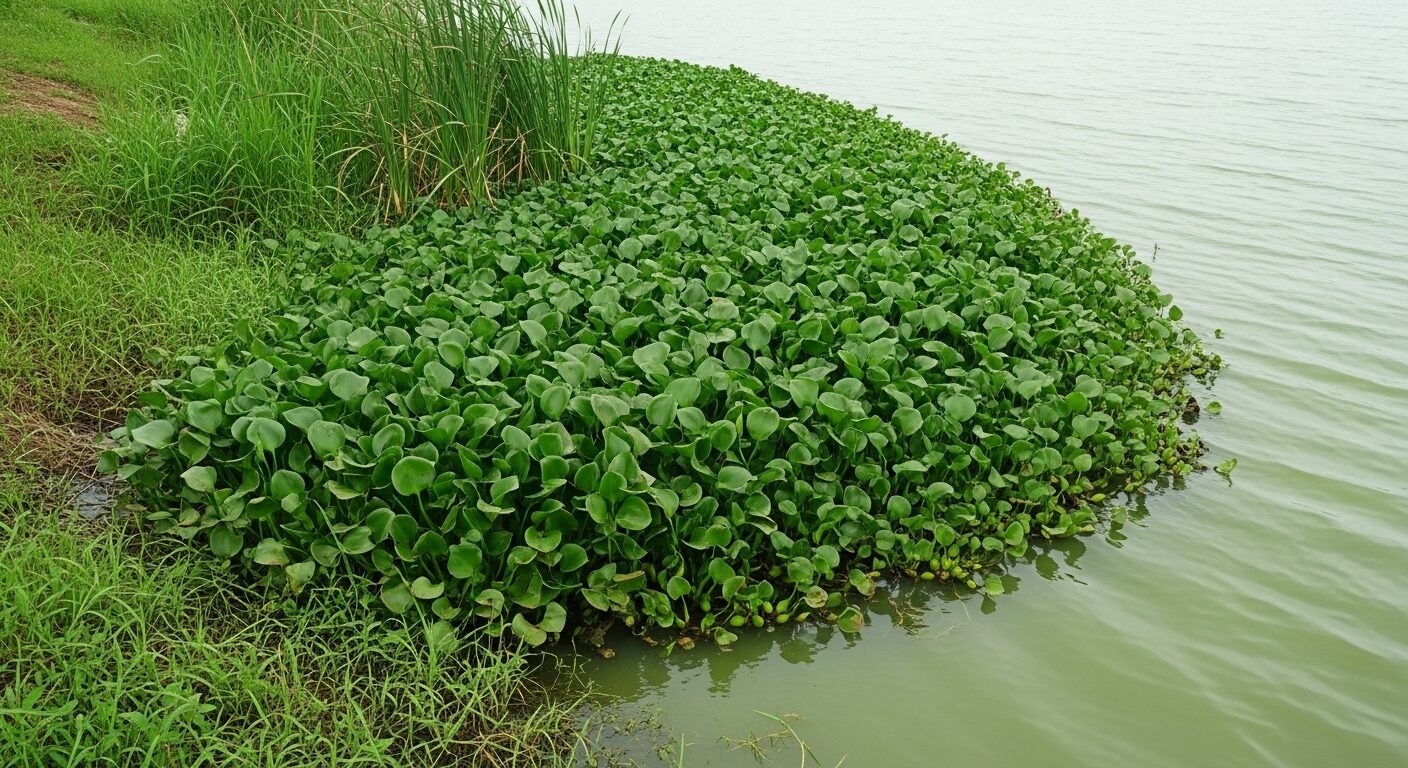
Figure 5. Shoreline accumulation in eutrophic lake conditions.
International Coordination
The transboundary nature of many water hyacinth infestations necessitates international cooperation in monitoring, management, and research. Regional initiatives, including the Lake Victoria Environmental Management Project and the Mekong River Commission, provide frameworks for coordinated action among affected nations. The sharing of biological control agents, technical expertise, and management best practices across borders is essential for addressing the global challenge posed by this invasive species.
Frequently Asked Questions
Where is water hyacinth originally from?
Water hyacinth is native to the Amazon Basin in South America, where it occurs naturally in slow-moving rivers, floodplain lakes, and wetlands across Brazil, Colombia, Venezuela, Ecuador, Peru, and Bolivia. In its native range, natural enemies keep populations in check.
How did water hyacinth spread around the world?
The primary vector of global spread was the ornamental horticultural trade. The species was introduced to North America in 1884 and subsequently transported to Africa, Asia, and Australasia by collectors and botanical gardens. Secondary spread occurs through boat traffic, irrigation networks, and natural hydrological dispersal.
Which continents have water hyacinth infestations?
Water hyacinth is established on every inhabited continent: South America (native), North America, Africa, Asia, Australasia, and parts of southern Europe. The most severe infestations occur in sub-Saharan Africa and tropical Asia.
Will climate change make water hyacinth worse?
Climate change is projected to expand the potential range of water hyacinth by warming currently marginal regions, lengthening frost-free seasons, and increasing flood frequency. Areas in southern Europe, southern China, and the southern United States that are currently at the edge of the species' range may become increasingly susceptible.
Why are some water bodies more affected than others?
Water bodies with high nutrient concentrations (from agricultural runoff, sewage, or industrial discharge), warm temperatures, slow water flow, and the absence of natural enemies from South America are most susceptible to severe water hyacinth infestations. These conditions promote rapid vegetative reproduction and competitive dominance.
Explore Related Topics
The global reach of water hyacinth is shaped by its biology, reproductive strategies, and the management responses deployed against it. Continue reading with these related articles.
- What Is Water Hyacinth? — An introduction to the species behind one of the world's worst aquatic invasions
- Ecological Impact of Water Hyacinth — How the species transforms ecosystems wherever it establishes
- Reproduction and Spread of Water Hyacinth — The dispersal mechanisms that drive global expansion
- Biology of Water Hyacinth — Physiological adaptations that enable colonization across diverse climates
- Biological Control of Water Hyacinth — How agents from the native range are deployed worldwide to manage invasions
Scientific References
- Holm, L. G., Plucknett, D. L., Pancho, J. V., & Herberger, J. P. (1977). The World's Worst Weeds. University Press of Hawaii.
- Téllez, T. R. et al. (2008). The water hyacinth, Eichhornia crassipes: an invasive plant in the Guadiana River Basin. Aquatic Invasions, 3(1), 42–53.
- Albright, T. P., Moorhouse, T. G., & McNabb, T. J. (2004). The rise and fall of water hyacinth in Lake Victoria. Advances in Applied Biodiversity Science, 1, 1–12.
- Julien, M. H., Griffiths, M. W., & Wright, A. D. (1999). Biological Control of Water Hyacinth. ACIAR Monograph No. 60.
- Kriticos, D. J., & Brunel, S. (2016). Assessing and managing the current and future pest risk from water hyacinth for the EU. PLoS ONE, 11(8), e0120054.
References compiled from peer-reviewed and institutional sources.
Related Research
Weevils and other biocontrol agents, mechanisms, success factors, limitations.
Plant anatomy, buoyancy adaptations, roots, flowers, and physiology of water hyacinth.
Aquatic herbicide concepts, timing, selectivity, safety, and integrated planning.